Enhancing Cross-Plant Energy Transparency to Improve Operational Performance
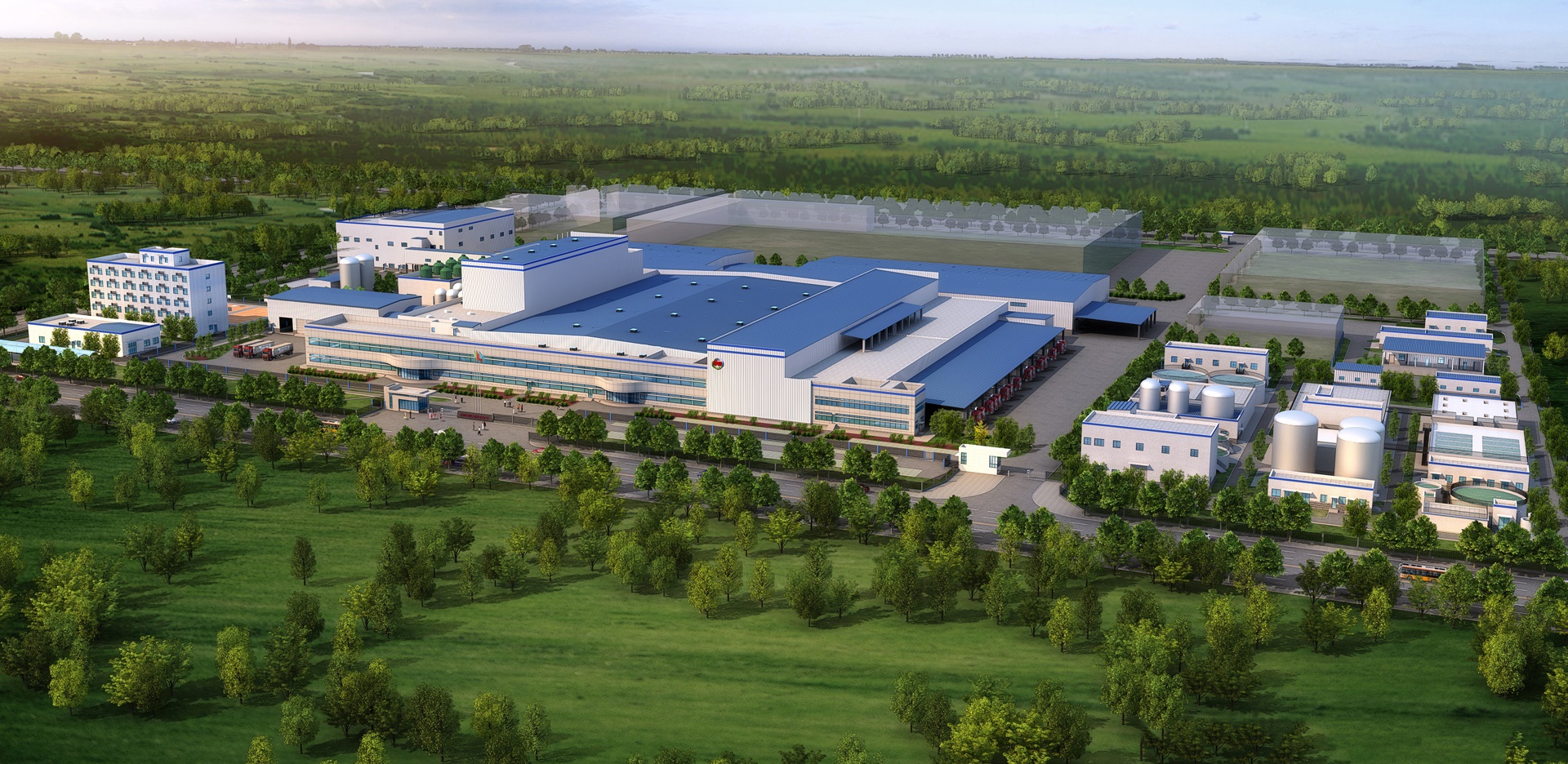
This food manufacturing base encompasses multiple production lines for food, dairy beverages, and packaging materials, supported by utilities such as boiler rooms, wastewater treatment stations, and power distribution facilities. In response to energy-saving policies and production expansion, the enterprise required a more data-driven and centralized approach to energy management—one that enables fact-based decision-making to further enhance efficiency and competitiveness.

Centralized energy management for a multi-line food manufacturing plant.
Diverse Energy Sources, but No Unified Monitoring or Management
The site relies on various energy forms, including electricity, water, natural gas, steam, and oil. Each production area and utility system operates independently, with energy data primarily recorded manually, resulting in limited immediacy and consistency. Without a unified platform for cross-plant monitoring, abnormal consumption is hard to detect in real time, and establishing a comprehensive evaluation and accountability mechanism becomes difficult—making energy-saving initiatives challenging to quantify or sustain.
Deploying Delta’s Energy Visualization Platform to Enable Centralized Energy Management
The enterprise deployed Delta’s Energy Online monitoring system, integrating multifunction power meters, water meters, flow meters, effluent monitors, and PLC-based sensors to capture energy data across all plants. Information is aggregated through on-site data servers and transmitted to the corporate data center, allowing managers to view real-time and historical energy consumption, alarms, and usage trends through a web-based interface.
The system also includes a large-format energy dashboard and a mobile monitoring interface. Energy data is clearly displayed across plant-area screens, while managers can use smartphones to access consumption status, abnormal alerts, and key performance indicators—significantly improving transparency and responsiveness in energy management.
Enhanced Energy Transparency Drives Comprehensive Efficiency Improvements
After implementation, the plants successfully established a consistent cross-site energy monitoring mechanism, improving data integrity and traceability. Managers can quickly identify energy-use patterns across systems and respond to abnormalities immediately, reducing waste and improving equipment operational efficiency.
The centralized platform also replaces extensive manual inspections and paper-based workflows, increasing labor productivity and reducing operational costs. With data now serving as the foundation for energy performance management, the enterprise can continuously optimize its energy-saving strategies—laying a solid foundation for future smart-factory development and sustainable operations.