Press Release

Yili operates multiple large-scale manufacturing campuses across China, including production plants, cold-chain warehouses, R&D centers, and smart logistics hubs. As the business expanded, the diversity of device types and communication protocols made traditional, site-by-site supervision insufficient. Yili sought to establish an open, scalable, and cross-campus unified platform to enhance equipment reliability, increase energy transparency, and support future smart-factory and sustainability goals.
Leveraging LOYTEC’s open architecture, Delta helped Yili deploy a group-level iBMS platform that integrates chiller plants, HVAC, lighting, power distribution, steam, utilities, safety systems, and warehouse environments—advancing the company toward centralized, data-driven, and intelligent operations.
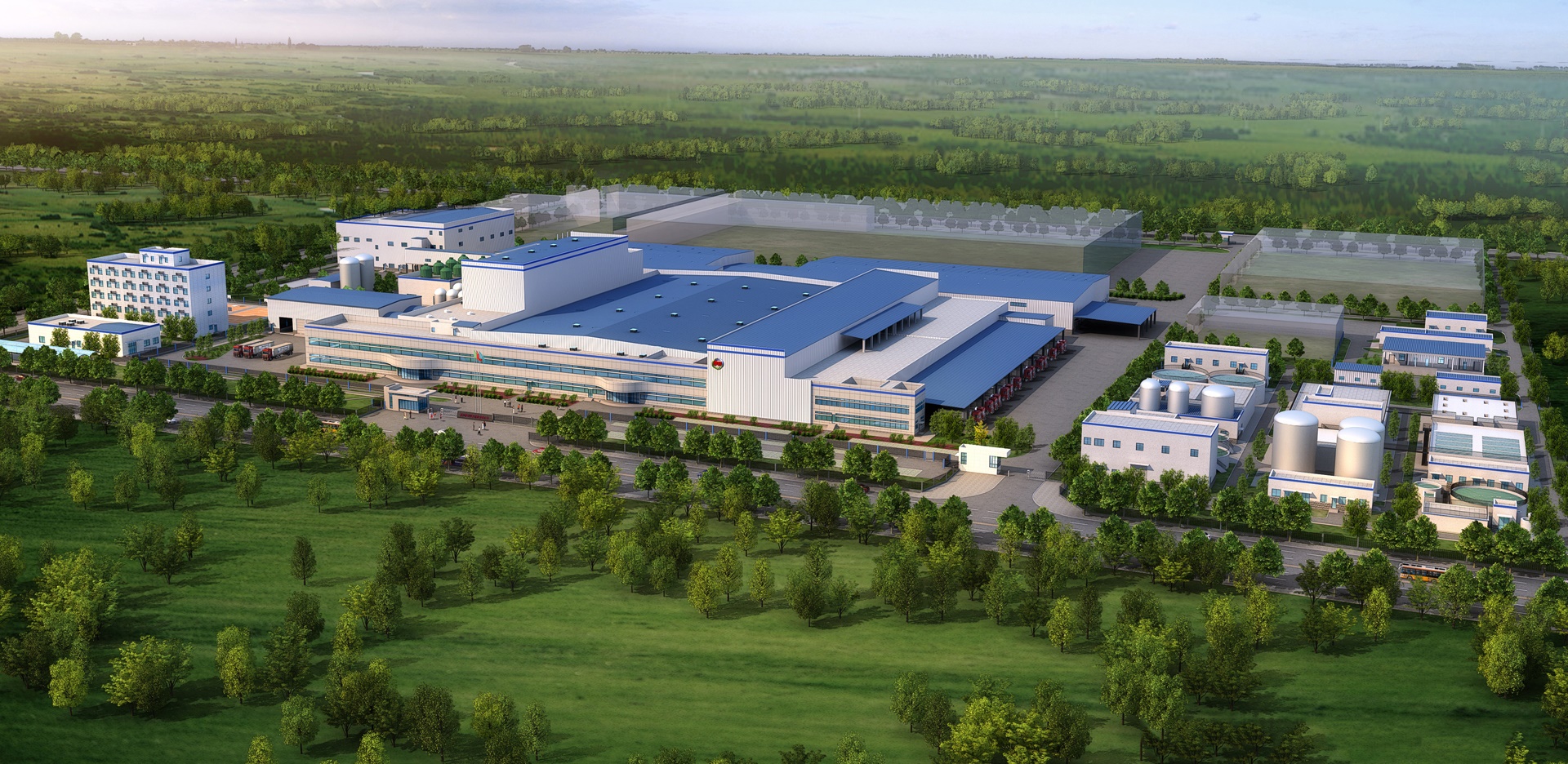
Yili’s manufacturing campuses vary in age, device brands, and control methods, resulting in a fragmented operations environment. Chiller plants, HVAC, steam, power, compressed air, pumping stations, and wastewater systems run independently with diverse communication protocols, making integration complex and limiting data consistency. Energy records were largely manual, preventing real-time anomaly detection and the establishment of group-level KPIs. As equipment density increased, this decentralized model could no longer support the company’s requirements for efficiency, reliability, and energy savings—driving the need for a unified, open, and backward-compatible platform.
Delta deployed a LOYTEC-based iBMS platform that can be replicated across campuses, enabling unified oversight of chiller plants, HVAC systems, utilities, and energy data. The platform supports multiple communication protocols, allowing existing PLCs, DDCs, and legacy controllers to be integrated without hardware replacement.
AI-driven optimization models were added to the chiller and HVAC systems, enabling automatic staging, cooling-load allocation, and water-system parameter tuning based on real-time loads and environmental conditions.
All campuses now follow standardized monitoring, alarms, and equipment-health analytics within a single web interface, giving management full operational visibility.
The unified platform now provides real-time visibility of chiller, HVAC, drainage, steam, and power systems across all campuses, enabling faster anomaly detection and more informed decision-making. AI-based optimization improves cooling efficiency while maintaining stable environmental conditions.
Alarm tracking and equipment-health analytics reduce inspection time and operational risk. The centralized energy database allows Yili to establish group-level KPIs and baselines for the first time, while the scalable architecture speeds deployment at new sites.
Overall, the integrated model improves equipment reliability and strengthens Yili’s capabilities in smart manufacturing, sustainable operations, and enterprise-level energy governance.